Unpacking "Trump's Neck Spot": White House Reveals Skin Cream Reason
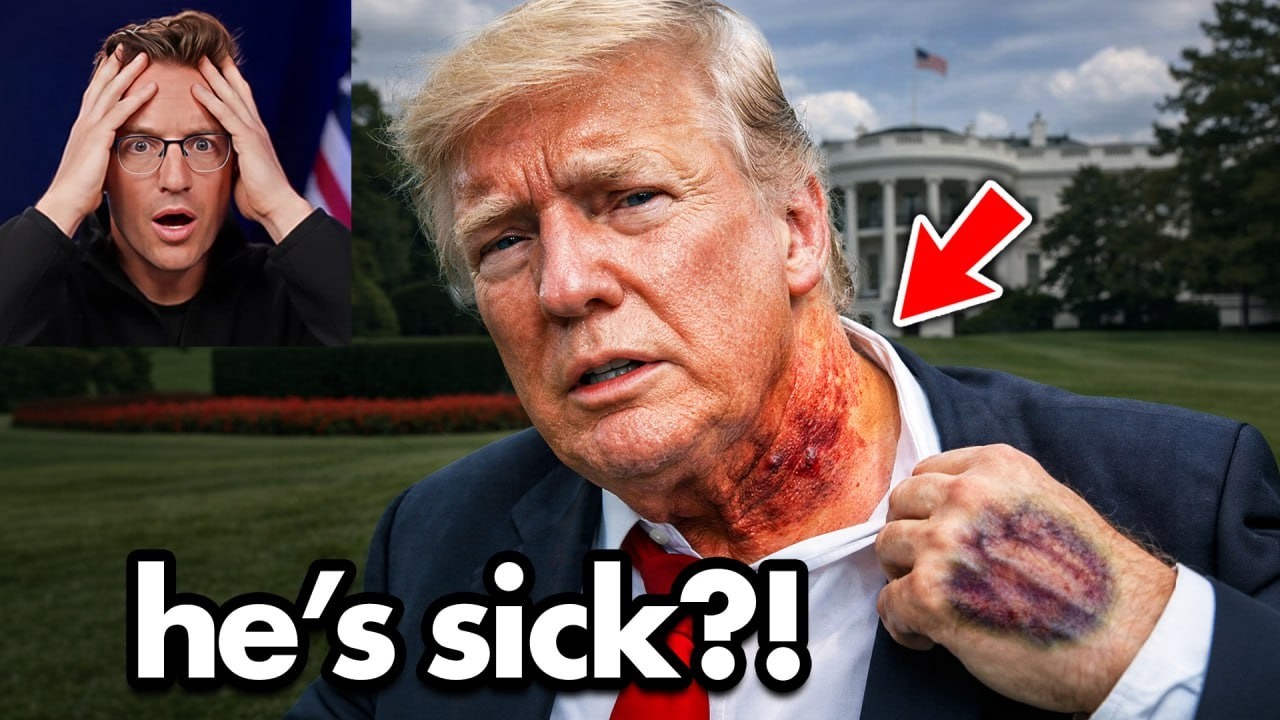
During a recent public appearance, former President Donald Trump’s visible neck spot sparked a flurry of speculation and headlines across the globe. What began as a seemingly minor observation of a reddish patch under his right ear, subtly peeking out from beneath his crisp white shirt, quickly escalated into widespread public discussion. From social media chatter to mainstream news outlets, the term "trump hals fleck" (German for "Trump neck spot") began circulating, fueling curiosity and concern about the health of the prominent political figure. However, the White House was swift to address the burgeoning rumors, issuing a definitive statement to put an end to the conjectures surrounding the former President’s health.
The official explanation from the White House, citing his personal physician, Dr. Sean Barbabella, revealed a far more prosaic reason than many had imagined. President Trump, according to the statement, was merely using a common skin cream on the affected area, prescribed to prevent skin irritations. This revelation, while simple, underscores the intense scrutiny public figures, especially those of presidential stature, face daily, where even the most minor personal detail can become a subject of national and international discourse.
The Public Unveiling of "Trump Hals Fleck" and Initial Speculation
The moment the reddish mark on Donald Trump's neck caught the eye of onlookers and photographers, the stage was set for widespread conjecture. Appearing under his right ear and extending downwards from his collar, the spot was distinct enough to warrant attention. In an age where every visual detail of a public figure is magnified and dissected, it was perhaps inevitable that this seemingly innocuous skin mark would become a topic of intense interest.
Initial reactions ranged from mild curiosity to more serious concerns about the former President's health. Given his past history as a President, and the standard practice of public disclosure regarding the health of US leaders, any unusual physical manifestation can trigger a wave of speculation. Social media platforms, in particular, became a hotbed of theories, with hashtags and discussions around "trump hals fleck" quickly gaining traction. Some worried about a potential allergic reaction, others speculated about more serious dermatological conditions, and a few even pondered the possibility of a stress-related rash. The absence of immediate official information only served to intensify the public's eagerness for answers, highlighting how quickly a simple observation can morph into a significant news item when it concerns a high-profile individual.
The media’s role in this rapid dissemination of information and speculation is critical. Journalists and news outlets, tasked with informing the public, often find themselves navigating a delicate balance between reporting observable facts and avoiding unsubstantiated rumors. For a figure as polarizing and globally recognized as Donald Trump, anything from a minor cough to a visible skin mark becomes newsworthy, reflecting the constant demand for updates on his status and activities.
White House Clarification: Dr. Barbabella's Revelation
Amidst the swirling rumors and intense public interest, the White House stepped in to provide a clear and concise explanation, directly addressing the visible mark on Donald Trump’s neck. The statement aimed to dispel any serious health concerns, confirming that the former President was not suffering from a grave illness, as some had speculated. Instead, the reason was far more routine and easily understood.
According to the official communication, drawing on insights from Dr. Sean Barbabella, President Trump’s personal physician, the mark was the result of using "a common cream to prevent skin irritations." This prescription, the White House clarified, had been applied to the right side of his neck for approximately a week prior to the public appearance. While the exact nature of the underlying irritation was not detailed, the emphasis on a "common cream" strongly suggested a non-serious, easily manageable dermatological issue.
Dr. Barbabella's role as the personal physician is crucial here. The medical insights provided by a trusted doctor lend credibility and authority to the White House's statement, effectively calming public fears. The transparency, though limited in specific medical diagnosis, was sufficient to shift the narrative from serious health concerns to a more ordinary aspect of personal care. The statement also noted that the redness was expected to persist for "a few weeks," indicating a typical healing or treatment period for such skin conditions. This kind of detailed, yet privacy-respecting, update is standard practice for prominent figures, balancing the public's right to know with the individual's right to medical privacy. This incident underscores the careful communication strategy employed by the White House to manage public perception and prevent the escalation of health-related speculation. Readers interested in the immediate aftermath of the announcement might find further details in
Donald Trump's Red Neck: Doctor Confirms Common Skin Irritation.
Decoding "Common Skin Cream" and Preventing Irritations
The White House's explanation that President Trump was using a "common cream to prevent skin irritations" on his neck invites us to explore what such a cream might entail and the nature of common skin irritations in this area. While no specific diagnosis was provided for the former President, the general context allows for an educational discussion on various dermatological conditions and their management.
What "Common Cream" Could Mean:
When a physician prescribes a "common cream" for skin irritation, it could refer to a variety of topical treatments designed to alleviate symptoms and promote healing. These might include:
- Topical Corticosteroids: Often prescribed for inflammatory conditions like eczema or contact dermatitis, these creams reduce redness, swelling, and itching. They come in various strengths and are very effective for short-term use.
- Emollients and Moisturizers: Sometimes, irritation stems from dry skin, friction, or barrier damage. Rich, fragrance-free emollients can help restore the skin's protective barrier and soothe irritation.
- Antifungal or Antibacterial Creams: If the irritation involves a fungal or bacterial component, specific medicated creams would be used to target the pathogen.
- Over-the-Counter Hydrocortisone: For milder irritations, a low-dose hydrocortisone cream is a common choice to reduce inflammation and itch.
The fact that it was "prescribed" suggests that a doctor evaluated the condition and deemed a specific, likely medicated, treatment necessary, rather than just an over-the-counter moisturizer.
Common Neck Irritations and Prevention:
The neck area is particularly susceptible to various forms of irritation due to several factors:
- Shaving Rash (Pseudofolliculitis Barbae): For men, regular shaving can cause razor burn, ingrown hairs, and folliculitis, leading to red, inflamed bumps. Using a sharp razor, proper shaving cream, shaving with the grain, and moisturizing afterward can help prevent this.
- Contact Dermatitis: This occurs when the skin comes into contact with an irritant or allergen. Common culprits on the neck include fragrances in colognes, aftershaves, laundry detergents, fabric softeners, certain metals in jewelry (e.g., nickel in necklaces), or even dyes in clothing. Identifying and avoiding the trigger is key.
- Sun Exposure: The neck is often exposed to the sun, making it vulnerable to sunburn and chronic sun damage, which can sometimes manifest as irritated or rough patches. Consistent use of sunscreen is vital.
- Eczema (Atopic Dermatitis): This chronic inflammatory skin condition can affect any part of the body, including the neck, causing red, itchy, and sometimes scaly patches. Managing eczema often involves moisturizers, topical steroids, and avoiding triggers.
- Friction: Tight collars, scarves, or even constant rubbing against seatbelts can cause friction burns or irritation, especially in sensitive individuals.
Actionable Advice for Managing Neck Irritations:
If you experience persistent neck irritation, here are some general tips:
- Identify Triggers: Pay attention to what might be causing the irritation (new products, fabrics, jewelry).
- Gentle Skincare: Use mild, fragrance-free cleansers and moisturizers.
- Sun Protection: Apply broad-spectrum sunscreen daily, especially to the neck.
- Proper Shaving Technique: For men, consider electric razors, shave after a warm shower, use quality shaving cream, and moisturize.
- Avoid Scratching: This can worsen irritation and lead to infection.
- Consult a Dermatologist: If irritation is persistent, painful, spreading, or accompanied by other symptoms, seek professional medical advice. A dermatologist can provide an accurate diagnosis and appropriate treatment.
Understanding these common conditions and preventative measures can help individuals manage their own skin health effectively, preventing minor issues from becoming more significant concerns. For more detailed accounts of the White House's handling of such sensitive topics, you might want to read
Behind Trump's Neck Rash: White House Addresses Speculation.
Beyond the Headlines: The Intersection of Public Health and Political Discourse
The incident involving Donald Trump's neck spot serves as a powerful reminder of the unique intersection where the personal health of a public figure meets intense political and media scrutiny. In an era of instant information and constant public exposure, even the most private aspects of a leader's well-being can quickly become national conversation starters and, at times, subjects of partisan debate.
For any sitting or former President, health is never solely a private matter. The physical and mental fitness of a nation's leader is deemed a legitimate public concern, impacting their ability to govern and make critical decisions. This expectation, while understandable, places immense pressure on individuals like Trump, where every observable change, no matter how minor, can be misinterpreted or sensationalized. The "trump hals fleck" phenomenon exemplifies how quickly speculation can outpace fact, fueled by a combination of public curiosity, media competitiveness, and sometimes, political opportunism.
This situation also highlights the challenge of responsible reporting. News outlets are under pressure to provide immediate answers, yet respecting privacy and avoiding baseless speculation is crucial. The White House's timely and transparent, albeit general, explanation was instrumental in managing the narrative, preventing what could have been a prolonged period of unfounded rumors. It underscores the importance of official channels in providing verified information to the public, especially concerning sensitive matters like health.
Furthermore, this event subtly touches upon the broader societal discourse around health literacy and misinformation. In the absence of clear information, people often fill the void with their own assumptions, sometimes drawing conclusions based on limited or incorrect data. This is particularly prevalent in the digital age, where unverified claims can spread rapidly across social media platforms, making it challenging for the public to discern truth from fiction. The case of Trump's neck spot ultimately illustrates the delicate balance between a public figure's right to personal privacy and the public's legitimate interest in their leader's health, all set against the backdrop of an ever-watchful media landscape.
Conclusion
The brief but intense saga of "Trump's neck spot," or "trump hals fleck" as it was often referred to in international media, offered a fascinating glimpse into the relentless public scrutiny faced by high-profile political figures. What started as a visual anomaly on former President Donald Trump's neck during a public outing quickly escalated into a widespread topic of discussion, prompting a range of theories from simple cosmetic issues to serious health concerns.
However, the White House was swift and decisive in its response, issuing a clear statement based on the assessment of his personal physician, Dr. Sean Barbabella. The explanation confirmed that President Trump was merely using a common skin cream, prescribed to prevent and manage skin irritations on his right neck side. This routine dermatological care, while ordinary in nature, became extraordinary in its public visibility, highlighting the unique intersection of personal health and public interest in the political arena.
Ultimately, the incident served as a powerful reminder of the intense media gaze and the speed at which speculation can proliferate in the digital age. It underscored the importance of official clarification in curbing misinformation and reiterated that even the most minor personal details of a public figure can become subjects of national and international discourse. In the end, the "mystery" of Trump's neck spot was resolved with a simple, common-sense explanation, calming public anxieties and redirecting focus back to more substantive matters.