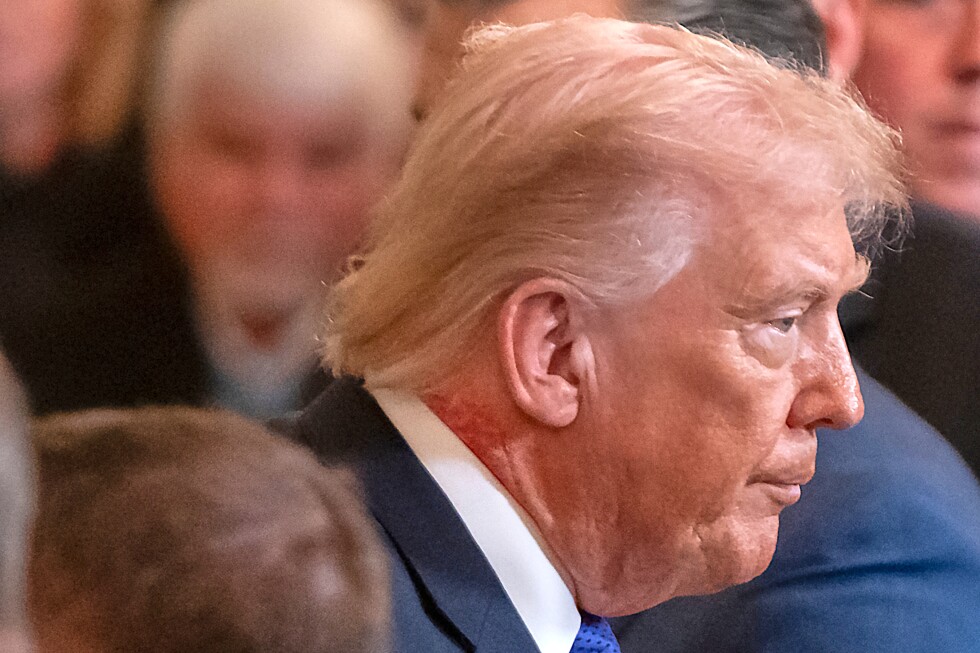
Behind Trump's Neck Rash: White House Addresses Speculation
In the relentless glare of public scrutiny that accompanies any prominent political figure, even the smallest visual detail can ignite a firestorm of speculation. Such was the case recently when former President Donald Trump appeared in public with a noticeable red mark on his neck. The visual anomaly, swiftly captured and disseminated across media platforms, triggered a flurry of online discussions, with many concerned observers and critics alike questioning the nature of what appeared to be a persistent rash or skin irritation. This immediate surge in public interest surrounding what was quickly dubbed "Trump's neck rash" or "Trump's neck spot" (or in German, the much-searched `trump hals fleck`) prompted a swift response from the White House, aiming to quell rumors and provide clarity.
The Appearance of the Neck Mark: Fueling Public Discourse
During a recent public engagement, cameras focused intently on Donald Trump, revealing a distinct area of redness on the right side of his neck. This mark was visible just below his white shirt collar, extending slightly upwards towards his right ear. For a figure whose every move and appearance is dissected, such a prominent and unusual visual quickly became a focal point. Social media platforms buzzed with theories, ranging from benign skin conditions to more serious health concerns, illustrating the intense public interest in the well-being of high-profile political figures.
The immediate reaction underscores a fundamental aspect of modern media and political commentary: every detail is scrutinized, and visual cues often lead to immediate, sometimes unfounded, conclusions. Whether it's a minor stumble, a change in gait, or a visible skin anomaly, the public and media alike are quick to interpret these signs, especially when they pertain to individuals in positions of immense power and influence. The presence of this specific `trump hals fleck` became a prime example of how quickly speculation can escalate in the absence of official information.
White House Intervention: Dispelling Rumors with Medical Clarity
Recognizing the escalating speculation and the potential for misinformation regarding the former President's health, the White House moved quickly to address the matter. In an official statement, they sought to provide a definitive explanation, reassuring the public that the visible mark was not indicative of any serious ailment.
Citing Donald Trump's personal physician, Dr. Sean Barbabella, the White House confirmed that the former President was simply using a common cream. The statement clarified, "President Trump uses a common cream on the right side of his neck to prevent skin irritations." It was further specified that this cream had been prescribed to him by his doctor.
The official communication served as a crucial intervention, attempting to put a definitive end to the growing rumors of a severe health issue. While the exact nature of the "skin irritations" was not detailed in the public statement, the emphasis on a "common cream" for "prevention" aimed to normalize the situation, suggesting an everyday dermatological issue rather than something more alarming. According to the White House, President Trump had been applying the cream for approximately a week, and the accompanying redness was expected to persist for "a few more weeks." This timeline provided additional context, suggesting a condition that requires ongoing management rather than an acute, sudden onset. For further details on the official explanation, you can refer to related reports like
Trump's Neck Spot: White House Reveals Skin Cream Reason and
Donald Trump's Red Neck: Doctor Confirms Common Skin Irritation.
Understanding Common Skin Irritations: Beyond the Spotlight
While the spotlight on Donald Trump's neck rash might be unique due to his public stature, skin irritations themselves are incredibly common. Redness, itching, and rashes on the neck can be caused by a multitude of factors, many of which are benign and easily managed with over-the-counter or prescription creams, just as described by the White House. Understanding these common culprits can help demystify such occurrences.
Here are some frequent causes of neck irritations:
*
Contact Dermatitis: This is perhaps one of the most common causes. It occurs when the skin comes into contact with an irritant or an allergen.
*
Irritant Contact Dermatitis: Caused by substances that directly damage the skin's outer layer, such as harsh soaps, detergents, certain fabrics (e.g., stiff collars rubbing), or sweat.
*
Allergic Contact Dermatitis: An immune reaction to a substance like fragrances in colognes, lotions, laundry detergents, certain metals (nickel in jewelry), or dyes in clothing.
*
Friction: The continuous rubbing of clothing, particularly stiff shirt collars, scarves, or even jewelry, can lead to irritation, redness, and chafing, especially in warm or humid conditions where sweat exacerbates the issue.
*
Heat Rash (Miliaria): Also known as prickly heat, this condition develops when sweat ducts become blocked, trapping sweat under the skin. It often appears in skin folds or areas covered by tight clothing.
*
Folliculitis: An inflammation of the hair follicles, often caused by bacterial or fungal infections. It can appear as small red bumps, sometimes with a white head, and can be itchy or tender.
*
Psoriasis or Eczema: While often chronic conditions, flare-ups can occur on the neck. Eczema (atopic dermatitis) causes dry, itchy, inflamed patches, while psoriasis presents as red, scaly patches.
*
Sunburn: Although simple, prolonged sun exposure to the neck can cause redness, pain, and peeling.
The "common cream" mentioned by Dr. Barbabella could be a topical corticosteroid (to reduce inflammation and itching), a barrier cream (to protect the skin), an antifungal, or an antibiotic cream, depending on the underlying cause of the irritation. Prescription-strength creams are often necessary for more persistent or severe cases that don't respond to over-the-counter remedies.
Proactive Skin Care: Tips for Preventing Neck Irritations
Preventing neck irritations often comes down to simple, consistent skincare practices and awareness of potential triggers. While specific medical advice should always come from a healthcare professional, these general tips can help maintain healthy neck skin:
*
Choose Breathable Fabrics: Opt for natural, soft fabrics like cotton or linen, especially for clothing that directly touches the neck. Avoid synthetic materials that can trap heat and sweat.
*
Ensure Proper Fit: Collars that are too tight can cause friction and restrict airflow. Ensure shirts and ties allow for comfortable movement without rubbing against the skin.
*
Gentle Cleansing: Use mild, fragrance-free cleansers. Harsh soaps can strip the skin of its natural oils, leading to dryness and irritation. Pat the skin dry instead of rubbing vigorously.
*
Regular Moisturizing: Keep the neck area well-hydrated with a gentle, hypoallergenic moisturizer. This helps maintain the skin's barrier function, making it more resilient against irritants.
*
Sun Protection: The neck is often exposed to the sun. Apply broad-spectrum sunscreen with an SPF of 30 or higher daily, or wear UPF-protective clothing and wide-brimmed hats when outdoors.
*
Be Mindful of Products: Pay attention to ingredients in your shampoos, conditioners, colognes, and laundry detergents. Fragrances, dyes, and certain chemicals can be common allergens. Consider patch testing new products on a small, inconspicuous area of skin first.
*
Manage Sweat: In hot or humid conditions, try to keep the neck area dry. Use absorbent powders (talc-free) if prone to heat rash, or simply take regular breaks in cooler environments.
*
Limit Jewelry: If you suspect metal allergies, opt for hypoallergenic jewelry or limit the time you wear necklaces.
When to Consult a Doctor: While many neck irritations are minor, it's advisable to see a dermatologist or general practitioner if a rash is persistent, worsening, painful, accompanied by fever, spreading rapidly, or if home remedies are ineffective. A doctor can accurately diagnose the cause and prescribe appropriate treatment.
Conclusion
The episode surrounding Donald Trump's neck rash serves as a vivid reminder that even the most powerful individuals are susceptible to common human experiences, including everyday health concerns like skin irritations. The rapid public response to the visible `trump hals fleck` highlighted the intense scrutiny faced by public figures, but the White House's swift, albeit brief, medical clarification helped to ground the conversation in reality. By attributing the mark to a common, doctor-prescribed cream for skin irritation, the official statement aimed to dispel the more alarming rumors. Ultimately, this incident encourages a broader understanding of common dermatological issues and emphasizes the importance of good skin health for everyone, regardless of their public profile.